

IPSC Production Division Gear List 2026: Complete Equipment Guide
Production Division is the most accessible and popular IPSC division worldwide. Whether you're stepping onto the range for your first match or refining your competitive setup, having the right gear makes all the difference. This comprehensive guide covers everything you need to know—from approved firearms and holsters to ammunition specifications and budget breakdowns. We'll walk you through what's required, what's recommended, and what actually works in the real world. By the end of this article, you'll have a complete understanding of every piece of equipment that belongs in a competitive Production shooter's kit. If you're new to the sport, don't worry: Production has the lowest barrier to entry and the closest resemblance to factory firearms, making it the perfect division to start your IPSC journey.

What Is IPSC Production Division?
Production Division represents IPSC competition at its most practical and cost-effective level. The division emphasises the use of factory-configured firearms with minimal modifications, creating a level playing field for shooters of all budgets. If you're wondering "what do I need for IPSC Production," the answer is wonderfully simple: a standard pistol, basic holster and belt setup, and your determination to compete.
Core Production Division Rules
- Factory pistols only – No magwells, no significant customisation
- Iron sights mandatory – No red dots, no optics of any kind
- Standard holster positioning – Worn between hip bone and middle of back on the strong side
- Magazine capacity limits – Typically 17 rounds for 9mm (varies by region and IPSC ruleset)
- No grip modifications – Factory replacement grips are permitted, but magwells and undercuts are prohibited
Why is Production the most popular division? Three reasons: lowest cost of entry, closest resemblance to factory firearms, and a thriving competitive community. You can walk into Production with a standard Glock or CZ and be competitive on day one. Unlike Open Division, there's no expensive optical race. Unlike Standard Division, you don't need to invest in magwells and optics. Production lets you focus on what matters: developing your skills, understanding match strategy, and enjoying the sport.
Approved Firearms for Production
Not every pistol is approved for Production Division. IPSC maintains a strict approved firearms list to ensure fairness and consistency. Before purchasing a firearm, always check the current IPSC Approved Production List on the official IPSC website. That said, several firearms dominate the Production landscape worldwide, and for good reason.
The undisputed king of Production Division. The CZ Shadow 2 is renowned for its ergonomics, reliability, and out-of-the-box accuracy. Its short reset, smooth trigger, and comfortable grip angle make it a favourite among competitors. Most top Production shooters use a CZ Shadow 2, and for good reason.
Built on the same platform as the CZ 75, the Tanfoglio offerings provide excellent value and reliability. The Stock 2 is a solid competitor, whilst the Stock 3 adds refinements that appeal to serious competitors.
Glocks are popular in Production, especially in regions where they have strong market presence. The Glock 17 is compact and reliable, whilst the Glock 34 offers a longer sight radius. Both are approved for Production, though they don't have the same trigger quality as the CZ platform.
The modern iteration of the legendary 92 platform. The 92X delivers reliability and smooth operation, though it's heavier than alternatives. Beretta shooters tend to be very loyal to the platform.
The P320 is a modular, reliable platform that's gaining popularity in Production. Its customisability (within Production rules) and excellent ergonomics appeal to many shooters.
Pro tip: If you're starting out, a CZ Shadow 2 is the safest bet. The community is huge, aftermarket support is excellent, and the firearm is genuinely competitive at the highest levels. You won't be limited by the gun—you'll only be limited by your skill.
Holster Requirements
Your holster is critical to your competitive performance. Production rules are strict about holster positioning: your holster must be worn on your strong side, and the trigger guard must be positioned between your hip bone and the middle of your back. No shoulder holsters, no appendix carry, no exceptions.
Holster Guidelines
- Must be IPSC-legal – Position between hip bone and middle of back
- Race holsters prohibited in many regions – Check your local rules; some areas allow speed holsters, others don't
- Retention is essential – Your holster must securely hold your firearm during movement and reloading
- Draw consistency matters – Choose a holster that allows a consistent, repeatable draw
Recommended Holster Brands
Blade-Tech, Ghost, and CR Speed manufacture excellent Production holsters that meet IPSC regulations. These brands understand the demands of competitive shooting and build holsters that combine retention, comfort, and durability. Expect to spend £60–£120 AUD on a quality holster.
Belt Setup
Don't underestimate your belt. A solid inner/outer belt system is fundamental to a stable platform for your holster and magazine pouches. Your belt keeps everything in place during movement, and a flimsy belt will ruin your stage performance.
Inner/Outer Belt System
The inner belt is worn inside your trousers and provides a secure anchor. The outer belt sits on top of your trousers and holds your holster and magazine pouches. A quality inner belt is typically 1.5 inches wide, whilst the outer belt is 2 inches wide and rigid enough to distribute weight effectively.
Magazine Pouch Placement Strategy
- Position your first reload pouch slightly forward of your hip
- Space additional pouches evenly across your body
- Ensure pouches don't interfere with your holster or shooting motion
- Practice your reload sequence before your first match
Boss Components offers premium shooting belts specifically designed for IPSC competition. Check out the Boss Components Shooter's Essentials Kit for a complete belt solution that takes the guesswork out of setup.
Magazine Pouches
You'll need at least three magazine pouches for most stages, though four is safer if you're running longer stages or anticipating stage design with significant round counts. The question isn't whether you need them—it's which type suits your shooting style.
Friction vs Magnetic Retention
- Friction pouches – Require a perfect draw angle; slower but very secure
- Magnetic retention pouches – Faster draws, easier access, ideal for Production's standard holster positioning
For Production, magnetic retention is generally superior. Boss Components offers magnetic pouches that allow rapid, consistent magazine draws without fumbling. Magnetic retention also means you won't accidentally drop a magazine during an awkward movement.

Grips — What's Allowed in Production
This is where Production rules get interesting. You can modify your grips, but only within strict parameters. Factory replacement grips are permitted as long as they maintain the factory profile—no undercuts, no custom thumb rests, no magwells. Stippling and texturing your grips is allowed, making your pistol more controllable without breaking the rules.
Production-Legal Grip Options
For CZ Shadow 2 shooters, Boss Components offers several premium grip options:
- CZ Shadow 2 Carbide Grips – $89.99 – Exceptional grip texture, affordable entry point
- CZ Shadow 2 G10 Grips – $109.99 – Premium material, excellent durability and texture
- CZ Shadow 2 Brass Grips – $169.99 – Luxury option with weight control benefits
For CZ 75 SP-01 Shadow shooters, we offer CZ 75 SP-01 Shadow Grips – $89.99 that maintain Production compliance whilst dramatically improving your gun's feel and control.
Important: Magwells are absolutely prohibited in Production. If you install a magwell, your firearm immediately moves to Standard Division. Same applies to undercuts and any grip modifications that alter the factory profile.
Sights
Production is iron sights only—no exceptions, no workarounds. This is both a blessing and a limitation. It levels the playing field (everyone's competing with iron sights) but also means your sight picture quality directly impacts your performance.
Fibre Optic Front Sight Advantage
A fibre optic front sight is almost universally recommended for Production. The bright, contrasting dot is faster to acquire, especially in low-light shooting bays or during stages with movement. Your rear sight remains factory standard, but upgrading the front sight to fibre optic is a modest investment that pays dividends in accuracy and speed.
Factory Rear Sights
CZ and most other Production-legal firearms ship with excellent factory rear sights. Resist the urge to upgrade unless you have a specific reason—factory sights are durable, reliable, and adequate for competition. If you want a rear sight with a wider notch, that's a reasonable upgrade, but don't overthink it.
Ammunition
Ammunition selection is crucial. Production has a minimum power factor requirement—typically 125 for Minor power factor (9mm, .38 Super) and 165 for Major (10mm, .40, .45). Most shooters opt for Minor power factor because 9mm ammunition is cheaper, softer-shooting, and offers higher capacity.
Power Factor Explained
Power factor is calculated as (bullet weight in grains × muzzle velocity in fps) ÷ 1000. For example, a 124-grain 9mm bullet travelling at 1010 fps achieves a power factor of 125.2—just barely making Minor. Shooters typically load slightly hotter to ensure they consistently make power factor.
Recommended 9mm Competition Loads
- 124-grain bullets at 1050+ fps – Clean power factor with soft recoil
- 147-grain subsonic loads – Softer shooting but slightly slower splits
- Factory loaded ammunition – Consistent, reliable, ideal for new shooters
Before your first match, use a 9mm/.38 Super/.40 Cal Case Gauge – $39.99 to verify your ammunition meets IPSC minimum power factor requirements. Bring it to every match as part of your kit.
Essential Accessories
Beyond the firearm, holster, and ammunition, several accessories are genuinely essential for competitive success.
Shot Timer (Non-Negotiable)
A shot timer measures your performance with precision. Most IPSC matches use timers anyway, but practising with your own timer builds consistency and lets you track improvement. Budget £80–£150 AUD for a reliable timer.
Spare Magazines
You'll want a minimum of 5–6 magazines for your firearm, ideally 8. Competition matches often feature long stages requiring multiple reloads, and magazines can malfunction or be lost. Extra magazines are cheap insurance.
Magazine Base Pads
Plus-zero base pads are permitted in Production and offer three advantages: easier magazine loading, improved retention in your pouches, and slightly better grip positioning during reloads. Consider upgrading to plus-zero base pads across your magazine collection.
- CZ Shadow 2 Plus Zero Extended Magazine Base Pad – $29.99
- CZ Shadow 2/SP-01 Plus Zero Base Pad (Singles) – $26.99
- CZ 75/CZ Shadow 2 Mec-Gar Magazine Base Pad – $35.99
Hearing and Eye Protection
Electronic ear protection is highly recommended. Standard foam earplugs work, but electronic protection lets you hear range officers and fellow shooters whilst protecting your hearing from gunfire. Quality electronic hearing protection costs £60–£120 AUD. Eye protection should be shatter-resistant and wrap around your face—shooting glasses designed for sport will serve you far better than regular sunglasses.
Range Bag
You need somewhere to carry your firearm, ammunition, magazines, tools, and accessories. A dedicated range bag keeps everything organised and makes transport safe and efficient. Budget £60–£120 AUD for a quality bag.
Cleaning Kit
Basic maintenance prevents reliability issues. A simple cleaning rod, patches, and CLP (cleaner, lubricant, protectant) will keep your firearm running smoothly. Budget £25–£50 AUD for a basic kit.
Other Useful Extras
- CZ Shadow 2 Grip Screws – $7.50 (spares for grip replacement)
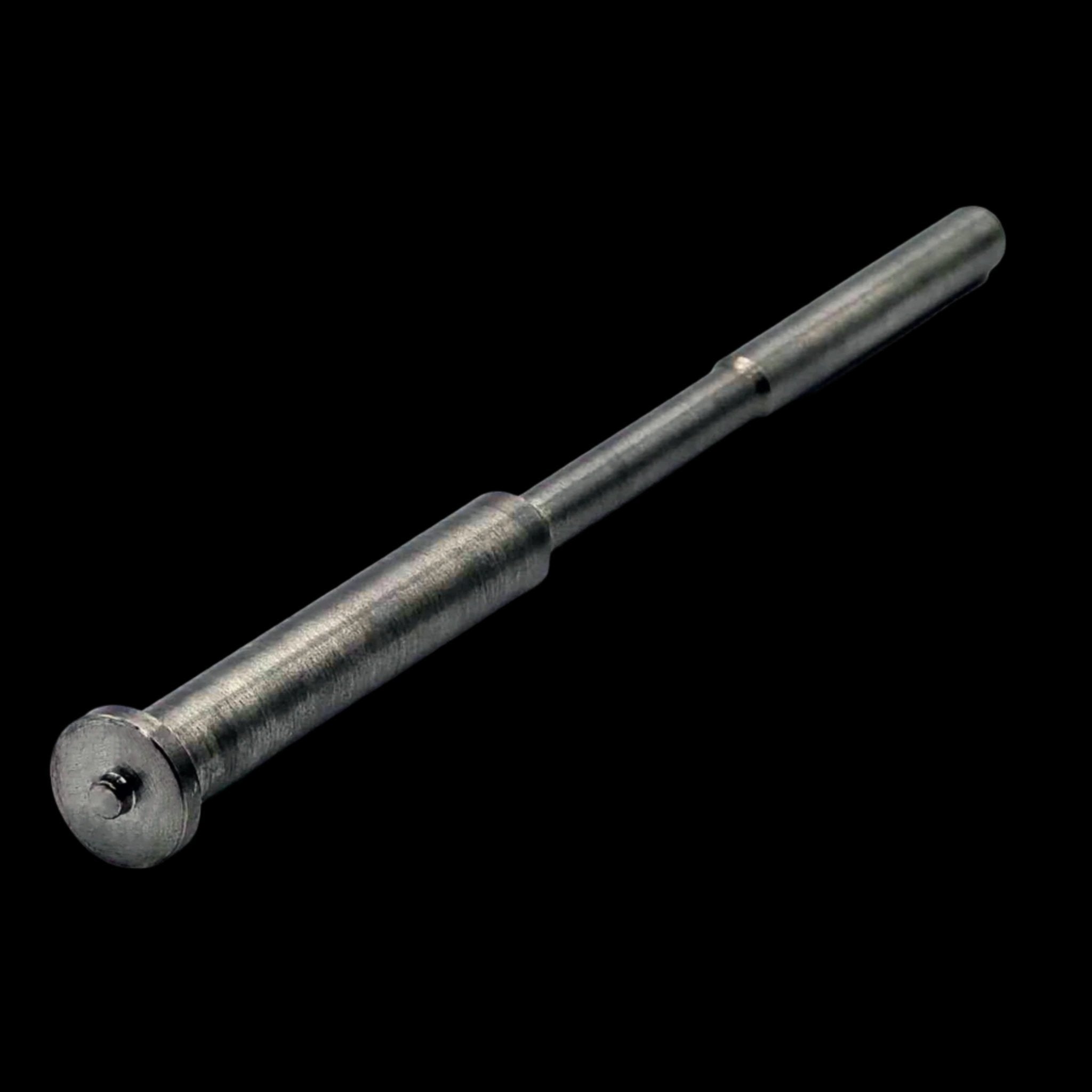
- CZ 75 Shadow 2 Progressive Recoil Spring – $9.95 (wear item to have on hand)
- CZ Shadow 2 Extended Magazine Release – $49.99 (optional ergonomic upgrade)
Budget Breakdown: Starter vs Competitive Setup
How much will your Production setup cost? It depends on your starting point and ambitions. Let's break this down into two realistic scenarios.
| Equipment Category | Starter Setup | Competitive Setup |
|---|---|---|
| Firearm | Used CZ 75 SP-01: $800–$1,200 | CZ Shadow 2: $1,400–$1,600 |
| Holster | Basic IPSC holster: $70–$100 | Premium holster (Blade-Tech/Ghost): $100–$150 |
| Belt System | Budget belt: $60–$100 | Premium belt system: $120–$180 |
| Magazine Pouches (3–4) | Friction pouches: $80–$120 | Magnetic pouches: $120–$180 |
| Magazines (5–6 total) | Factory magazines: $100–$150 | Factory + Mec-Gar magazines: $150–$200 |
| Sights (optional upgrade) | Factory sights: $0 | Fibre optic front: $50–$100 |
| Grips (optional) | Factory grips: $0 | Upgraded grips: $90–$170 |
| Shot Timer | Budget timer: $80–$120 | Premium timer: $120–$180 |
| Hearing/Eye Protection | Basic set: $40–$80 | Electronic hearing + quality glasses: $100–$200 |
| Range Bag + Accessories | Basic kit: $80–$120 | Premium kit + extras: $150–$250 |
| TOTAL ESTIMATED COST | $3,000–$4,200 AUD | $5,200–$7,200 AUD |
Cost-Saving Tips: Buy used equipment where possible. A secondhand CZ 75 is perfectly competitive at beginners' matches. Used belt systems and holsters are available at a fraction of new prices. Start with factory grips and upgrade later. The most important thing is to get on the range and start competing—you'll discover what upgrades actually matter to your performance.
Complete Your Production Setup
Everything You Need in One Place
Boss Components stocks Production-legal grips, base pads, and accessories specifically designed for competitive shooters. Build your complete setup with gear trusted by IPSC competitors across Australia.
Explore Our Production KitsProduction vs Standard — When to Move Up
Production won't be your forever division. Many shooters eventually move to Standard Division, where magwells and optics become permissible. The question isn't whether you'll move up—it's when and why.
Why Shooters Move to Standard
- Optics appeal – Red dots are faster to acquire and more forgiving of poor positioning
- Magwell advantage – Significantly faster, more reliable reloads
- Skill plateau – Once you've mastered iron sights and iron sight technique, optics feel like a natural progression
- Match environment – Some local matches have stronger Standard divisions than Production divisions
Cost Comparison
Moving to Standard Division adds roughly $800–$1,500 AUD in additional costs: optics ($500–$800), magwell ($200–$400), and possibly a new holster ($100–$200). Your Production firearm can move to Standard, but you'll need new equipment.
Skill Considerations
We recommend staying in Production for at least 12–18 months, or until you've competed in 20+ matches. This gives you time to develop fundamental skills—consistent draw, reliable reloads, and disciplined sight picture—that will pay dividends when you eventually move to Standard or other divisions.
Want to plan your Standard Division upgrade? Check out our detailed guide: Best CZ Shadow 2 Upgrades for IPSC Competition (2026 Guide). And when you're ready to install a magwell, our CZ Shadow 2 Magwell Installation Guide walks you through the process step by step.
Frequently Asked Questions
Getting Started: Your First Match
You've got your gear dialled in. Now it's time to actually show up. Here's what to expect at your first Production match:
- Arrive early – Most matches require sign-in 30–60 minutes before the safety briefing
- Bring all required items – Firearm, ammunition, holster, belt, magazine pouches, and eye protection at minimum
- Listen carefully – The safety briefing and stage briefings are critical. Ask questions if you're confused
- Shoot safely – Firearm safety is non-negotiable. Keep your muzzle downrange, finger off the trigger until ready to fire
- Have fun – Your first match isn't about winning. It's about learning, meeting competitors, and discovering whether this sport is for you
IPSC competitors are genuinely welcoming to newcomers. Introduce yourself, ask experienced shooters about their gear, watch stages before you shoot them, and embrace the learning experience. You'll be back for match number two.
Conclusion: Your Production Journey Starts Here
IPSC Production Division offers the perfect balance: low barrier to entry, legitimate competition, and a pathway to advanced divisions as your skills develop. With this comprehensive IPSC production division gear list 2026, you now understand everything from approved firearms and holster positioning to ammunition specifications and budget planning.
Whether you're starting with a basic CZ 75 and simple belt system or investing immediately in a CZ Shadow 2 and premium upgrades, you have a clear path forward. The gear matters, yes—but skill, consistency, and commitment matter far more.
Ready to build your competitive setup? Boss Components stocks premium grips, base pads, magazines, and accessories designed specifically for Production shooters. We know IPSC because we shoot IPSC. Let us help you gear up for success.
Build Your Production Setup Today
Browse our complete range of Production-legal CZ Shadow 2 upgrades, magazine enhancements, and competitive shooting accessories. Gear built by shooters, for shooters.
Shop Boss ComponentsLast updated: 28 March 2026 | All product prices and availability subject to change. Links are current at publication date.

